Every service business tells itself a story about how it treats customers, but the truth is written in its lobbies and its lanes. A brand can spend heavily on marketing and interior design, yet undo all of it with a single disorganized queue that leaves visitors standing, confused and impatient. The way an organization manages the flow of people has quietly become one of the most honest measures of how much it actually respects their time.
Across South Asia and the Gulf, that realization is fueling rapid adoption of two related technologies: digital queue management for indoor service points and advanced drive-thru systems for customers who prefer to stay in their vehicles. Both aim to remove friction from the moment of arrival, and both are reshaping expectations in banking, healthcare, retail, and food service alike. Understanding them is increasingly essential for anyone running a customer-facing operation.
The Psychology Behind a Frustrating Wait
Waiting is as much a psychological experience as a practical one. Research consistently shows that uncertain, unexplained waits feel far longer than waits where people know their position and expected time. A crowd with no clear order breeds anxiety, and that anxiety attaches itself to the brand long after the transaction is over. Customers may not remember the exact minutes they waited, but they remember how the experience made them feel.
This is why simply adding staff rarely solves the problem on its own. Without structure, more counters can mean more confusion about where to go and who is next. The real fix is a system that communicates clearly, sets honest expectations, and creates a visible sense of fairness. When people trust that the line is being managed properly, their tolerance for waiting rises dramatically.
What a Digital Queue System Delivers
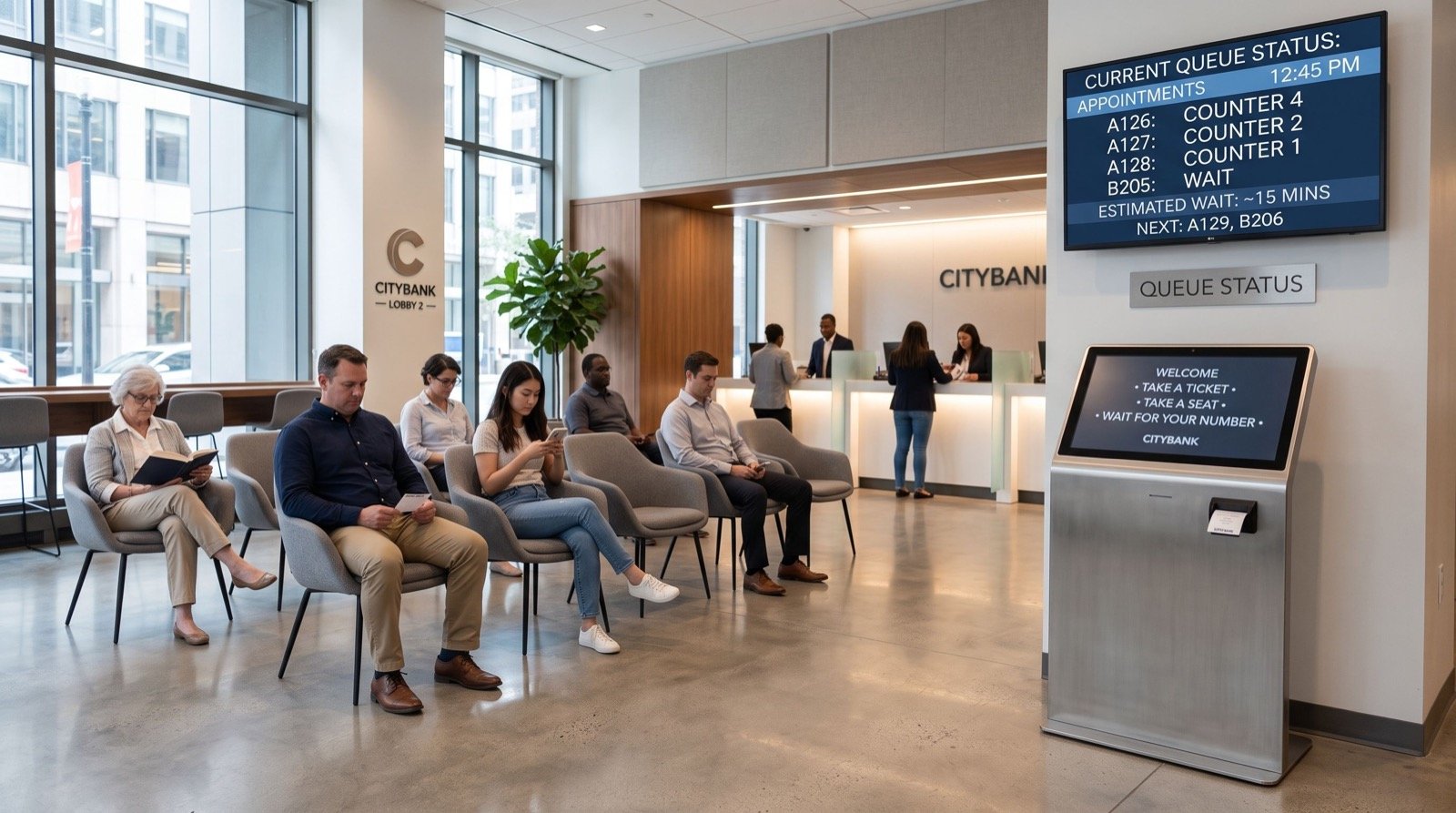
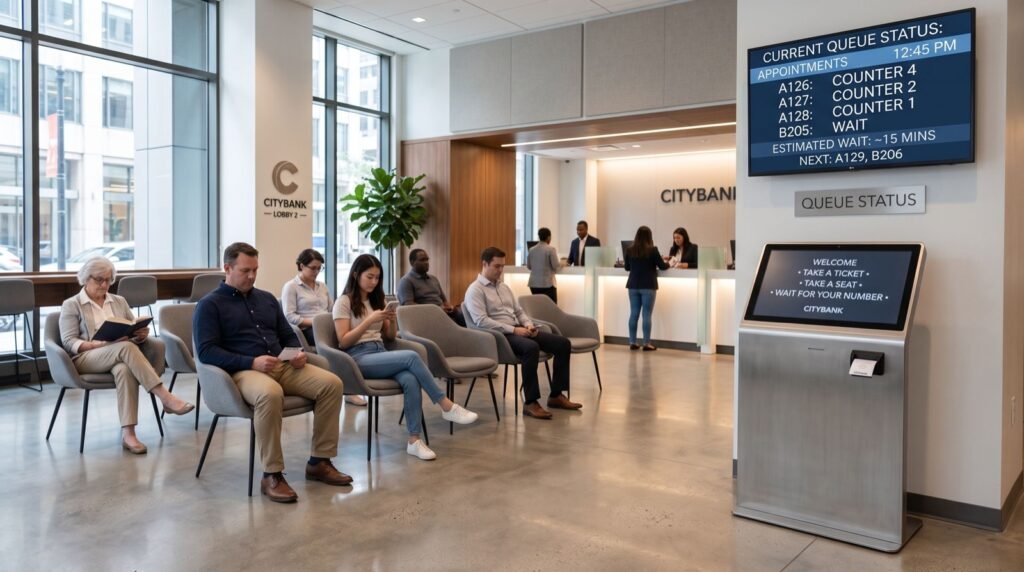
A digital queue management system turns a disorderly crowd into a calm, transparent process. Visitors check in through a kiosk or a mobile link, choose the service they need, and take a place in a virtual line. Clear displays and audio calls guide them forward at the right moment, while the software balances the workload across every open counter so that no single point becomes a bottleneck.
In major commercial centers, demand for this kind of order has grown quickly. Businesses deploying a well-configured queue management system in lahore are finding they can serve more customers with existing staff, simply by routing people intelligently instead of leaving them to sort themselves out. The visitor gains clarity and fairness, and management gains a live, data-rich view of exactly how each part of the floor is performing.
The Drive-Thru as a Competitive Battleground
The drive-thru has evolved far beyond its fast-food origins. Today it is a serious service channel for pharmacies, banks, and quick-service chains that recognize how much customers value completing a transaction without leaving their car. In dense cities where parking is scarce and schedules are tight, a smooth lane can be the deciding factor between one brand and its neighbor.
The technology that powers these lanes has become genuinely sophisticated. A modern setup such as an HME Drive Thru in Riyadh brings together reliable headset communication, bright digital menu boards, order confirmation displays, and precise timing analytics that measure how long each vehicle spends at every stage. Managers use that data to spot slowdowns and keep the lane flowing even during the heaviest rushes, when one stalled order can back traffic into the street.
Getting Speed and Accuracy to Advance Together
It is easy to obsess over speed, but speed without accuracy is a hollow victory. A drive-thru that clears cars quickly while handing out wrong orders simply moves frustration to the parking lot, and an indoor queue that hurries people to the wrong counter solves nothing. That is why confirmation and precise routing sit at the core of every well-designed system.
When a customer sees their order displayed and confirmed before paying, errors and costly remakes drop sharply. When an indoor visitor is directed to the staff member truly equipped to handle their request, the interaction becomes faster and more satisfying for everyone involved. Serving people correctly on the first attempt is the mark that separates a thoughtful system from a basic ticket dispenser.
Data That Sharpens Every Decision
Beneath the visible improvements lies a quieter, longer-lasting benefit. Every check-in, service duration, and lane timing becomes a data point, and over weeks those points reveal patterns that no manager could detect by standing on the floor. Demand peaks, chronically slow services, and the exact moments customers give up all become visible and measurable.
That insight changes how organizations plan. Staffing can be scheduled around genuine demand curves rather than intuition. Weak locations can be identified and coached with hard evidence. Layouts, operating hours, and service designs can be refined based on what the numbers actually reveal. In this way, the queue or drive-thru platform becomes a strategic asset, informing decisions well beyond the service counter itself.
Implementation and the Right Partner
None of these benefits materialize by simply buying software. Success depends on careful implementation: staff training, configuration that mirrors how the location truly operates, and responsive support during the crucial first weeks after launch. A powerful platform installed poorly quickly becomes something employees work around rather than with.
Organizations that get the most from these systems tend to collaborate with trusted professionals who understand local conditions and configure the technology around real workflows. Strong partners also help connect the queue or drive-thru platform to appointment booking, digital signage, and feedback tools, so every component reinforces the others. That integrated approach is what turns a single purchase into a durable improvement in the customer experience.
Key Takeaways
- Uncertain, unexplained waits feel far longer and damage a brand more than the raw minutes suggest.
- Digital queue systems communicate clearly and let businesses serve more people without endless hiring.
- Drive-thru technology has grown into a serious competitive channel across retail, pharmacy, and banking.
- Speed only helps when paired with accuracy, so confirmation and precise routing are essential.
- Rich operational data and a capable implementation partner determine the lasting value of any deployment.
A Closing Perspective
The organizations that will lead the next era of customer service are not necessarily those with the largest budgets, but those that treat every customer’s time as something worth protecting. Queue management and drive-thru technology give them the practical means to do so at scale, across many locations and thousands of daily interactions. Handled with care, these tools transform the ordinary friction of waiting into a genuine advantage, rewarding the businesses that understand a simple truth: the experience begins the moment a customer arrives, and that first impression is one worth getting right.